
Hey.
Welcome to the world of Mechanics! is a fascinating field where engineering innovations—from cars to computers—come together through creativity and modern technology.
Welcome to the world of Mechanics! is a fascinating field where engineering innovations—from cars to computers—come together through creativity and modern technology.
Cars today are more than just machines with wheels—they’re smart systems on the move. With all the new innovations, especially in recent years, cars have become more and more intelligent. At the center of this intelligence is something called the Engine Control Unit, or ECU for short. It’s basically the brain of the car’s engine. This small but powerful computer constantly checks things like how much air is coming into the engine, how much fuel is being used, and whether the engine is running smoothly. It does all of this at lightning speed—sometimes over a thousand times every second! An example of this in action would be a car equipped with a tire pressure sensor. There are two ways this is commonly done in the system of car system. The simpler one is that the tire pressure light comes on when the tire pressure is low, and the more high-tech one is that you can check the tire pressure in real time without having to manually do it with a tire pressure gauge.
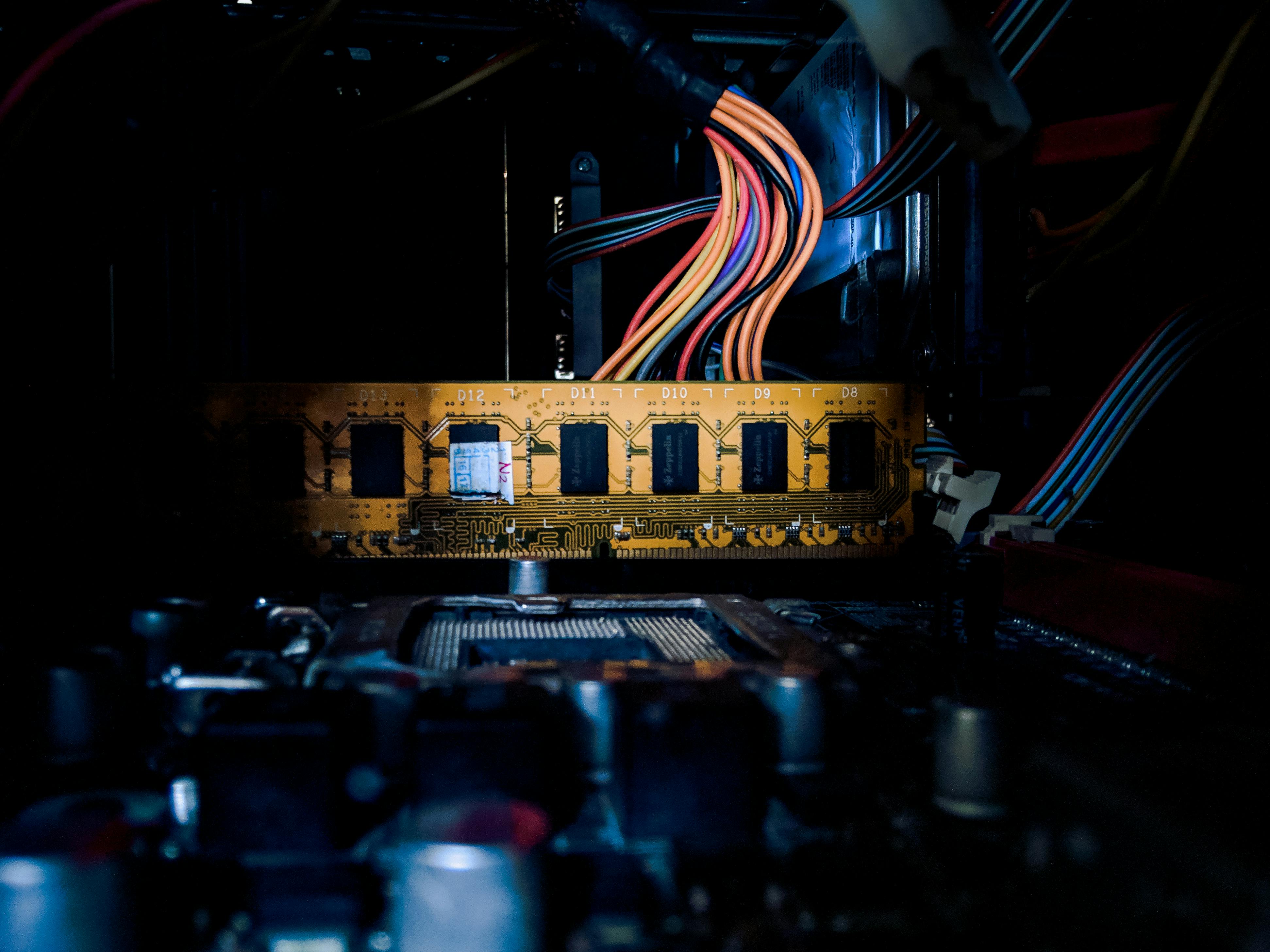
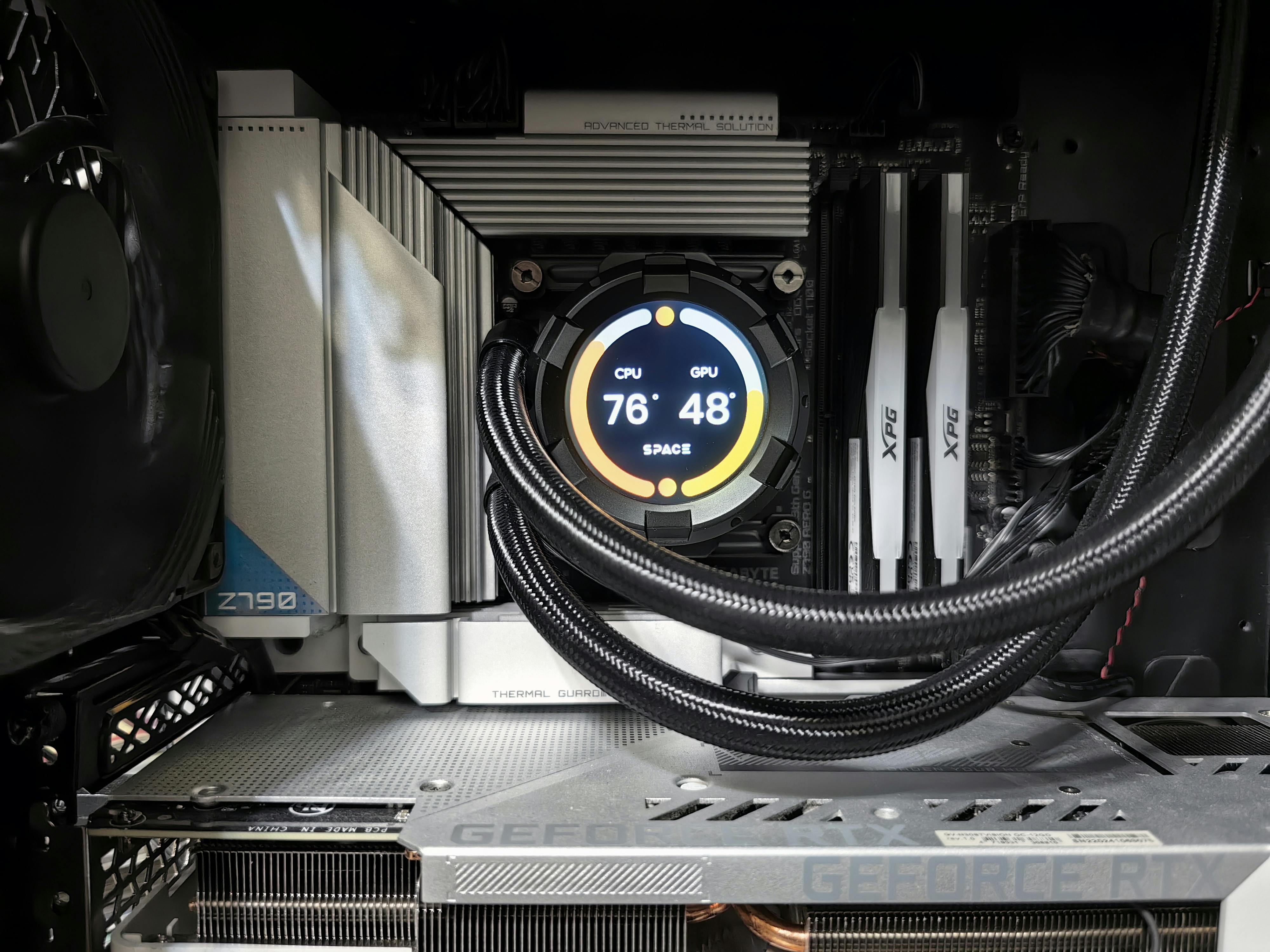
When we think about modern vehicles and computers, we often imagine the hardware like the engine found under the hood in the case of cars or the RAM in computers, but behind the scenes, it’s the communication between parts that makes everything work. Cars and Computers share more similarities than may be obvious on the surface. In both cars and computers, this happens through highly advanced networks designed to send data fast, reliably, and often all at once. In a vehicle, dozens of components need to talk to each other every second—from the engine sensors to the airbag system to your infotainment display. Cars use systems like CAN, FlexRay, and even Automotive Ethernet to handle this. Meanwhile, computers use data buses like PCIe and memory channels to move information between the CPU, RAM, and storage.
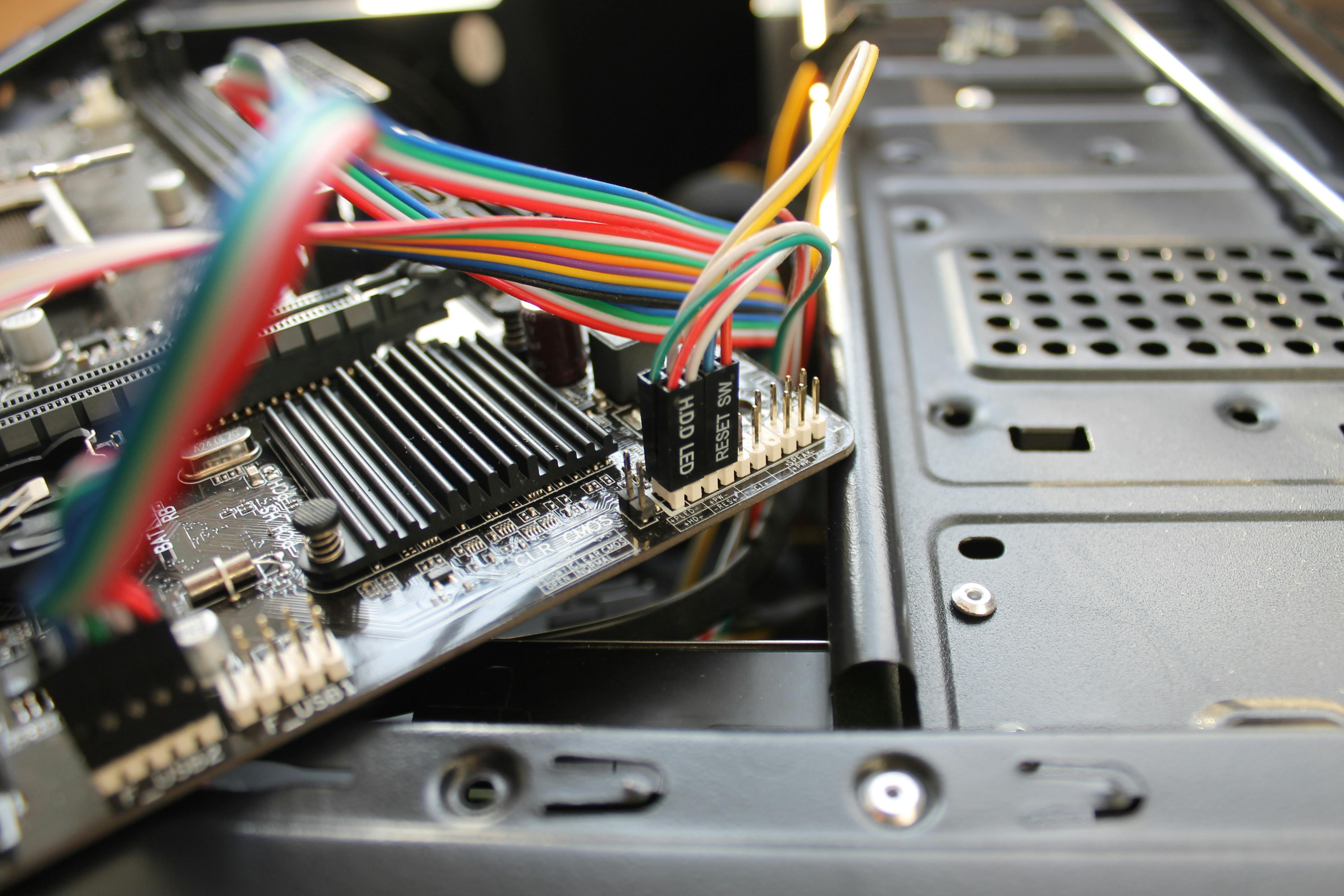
It might not seem obvious at first, but car engines and computer power supplies actually have a lot in common. Both are systems designed to take raw energy and turn it into something usable. In a car, that raw energy comes from gasoline. You can go to any local gas station and fill up your tank, and find that you are able to drive. There are also different types of gas for different types of cars, like diesel and premium. In a computer, it comes from your wall outlet. The power supply for a computer needs a very specific voltage for each component on the motherboard, and the power supply unit (PSU) is the first step in this power being converted to make the computer turn on. But whether it’s an engine burning fuel or a power supply converting electricity, the end goal is the same—deliver power where it’s needed, when it’s needed, and do it efficiently.


Fill out the contact form below to get in touch with us.